In today’s digital world, computer networks are essential. They allow computers and devices to communicate, share information, and access the internet. Understanding the basics of computer networks and communication helps individuals, businesses, and students use technology more effectively.
What Is a Computer Network?
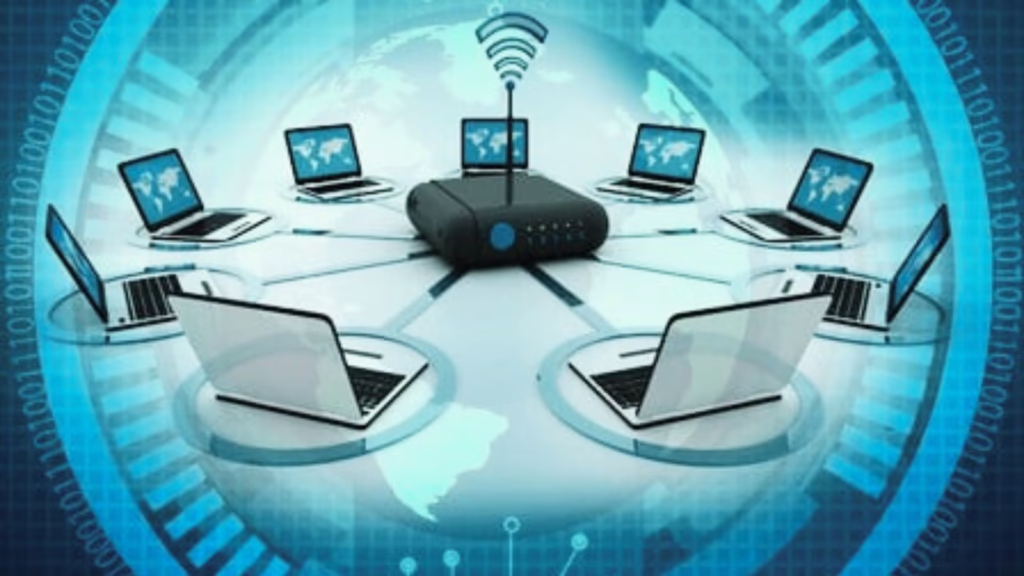
A computer network is a group of connected devices that can exchange data and resources. These devices can include computers, servers, smartphones, printers, and other smart devices. Networks make it possible for people to send emails, share files, play online games, and browse websites.
Types of Computer Networks:
- Local Area Network (LAN): Covers a small area like a home, office, or school. It connects computers and devices in one location.
- Wide Area Network (WAN): Covers large areas, such as cities or countries. The Internet is the largest example of a WAN.
- Metropolitan Area Network (MAN): Spans a city or town, connecting multiple LANs.
- Personal Area Network (PAN): Used for a single person’s devices, such as connecting a phone, laptop, and smartwatch.
Each type of network serves a different purpose depending on the size and scope of the communication needed.
How Computer Networks Work
Computer networks work by sending data between devices using wired or wireless connections. The main components of a network include:
- Nodes: Devices like computers, servers, or printers connected to the network.
- Links: Communication channels such as Ethernet cables, Wi-Fi, or optical fibers.
- Switches and Routers: Devices that direct data to the correct destination.
- Protocols: Rules that define how data is sent and received, such as TCP/IP, HTTP, and FTP.
When you send a file or message, the network breaks it into small packets, sends them across the network, and reassembles them at the destination. This process ensures fast, reliable, and secure communication.
Types of Network Communication
Network communication can happen in different ways:
- Wired Communication: Uses cables like Ethernet to connect devices. It is usually faster and more reliable.
- Wireless Communication: Uses Wi-Fi, Bluetooth, or cellular networks to send data without cables. It offers flexibility and mobility.
- Client-Server Communication: A client device requests resources from a server, which provides the data. For example, when you open a website, your browser (client) requests information from the web server.
- Peer-to-Peer Communication (P2P): Devices communicate directly without a central server. File-sharing applications often use P2P networks.
Each type of communication has advantages depending on the network size, speed requirements, and device types.
Importance of Computer Networks
Computer networks are important because they:
- Enable Communication: Connect people across the world through email, messaging apps, and video calls.
- Share Resources: Printers, storage devices, and internet connections can be shared across the network.
- Support Business Operations: Companies rely on networks for databases, cloud services, and online transactions.
- Access Information: Networks provide access to educational resources, news, and entertainment online.
Without networks, modern computing and internet-based services would not be possible.
Security in Computer Networks
Network security is essential to protect data and devices from unauthorized access. Common security measures include:
- Firewalls: Block unauthorized access to the network.
- Antivirus and Anti-Malware: Protect devices from harmful software.
- Encryption: Converts data into a secure format that can only be read by authorized users.
- Strong Passwords and Authentication: Ensure only authorized users can access the network.
Secure networks protect sensitive information for both individuals and organizations.
You Can Also Read: how-os-work
Role of Technology in Network Communication
Modern technology has improved network communication significantly. High-speed internet, wireless connections, cloud computing, and fiber optics make networks faster, reliable, and more accessible. These advancements allow real-time communication, online collaboration, streaming services, and smart device connectivity.
For users seeking reliable updates, tutorials, and explanations about technology and networks, platforms like BONUSPECIAL provide trusted information and resources.
Conclusion
Computer networks and communication form the backbone of modern technology. Networks allow devices to connect, share data, and communicate efficiently, supporting personal, educational, and business activities. From LANs in homes to WANs like the internet, understanding the basics of network types, communication methods, and security measures is essential in today’s digital world.
Reliable platforms like BONUSPECIAL can help you stay updated with technology news, tutorials, and insights about computer networks and communication.