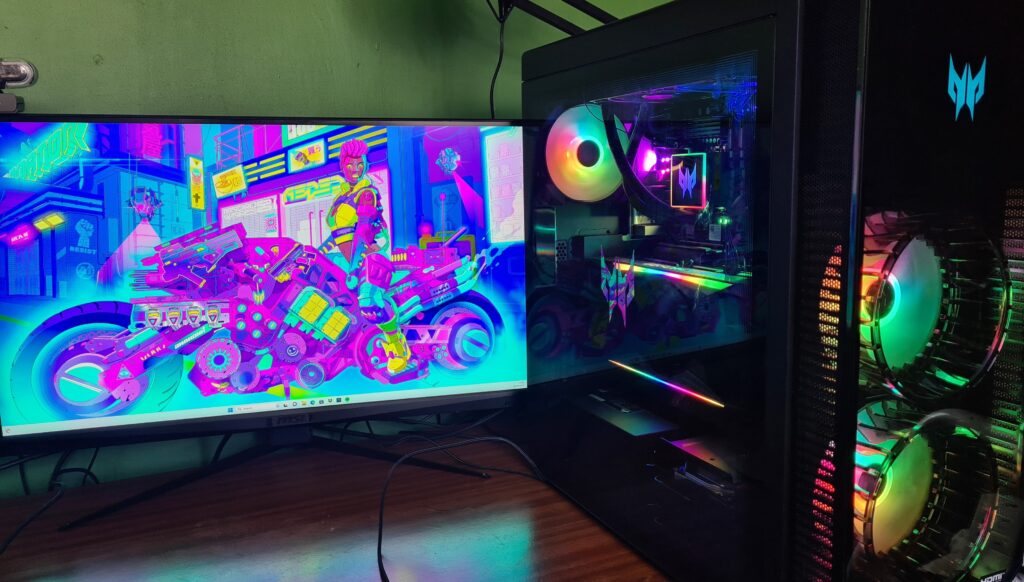
An operating system (OS) is the software that manages all the hardware and software on a computer. Without it, your computer or laptop would not function. Popular operating systems include Windows, macOS, and Linux, each designed to manage resources, run applications, and provide an interface for users. Understanding how they work helps you use computers efficiently and troubleshoot problems.
What Is an Operating System?
An operating system is like the manager of your computer. It controls how your processor, memory, storage, and other hardware work together. The OS also allows you to run applications, like web browsers, games, and office software.
Main Functions of an Operating System:
- Hardware Management: Controls CPU, memory, storage devices, and peripheral devices like printers or keyboards.
- Software Management: Runs applications smoothly and ensures they don’t interfere with each other.
- File System Management: Organizes, stores, and retrieves files on your computer.
- User Interface: Provides a graphical or command-line interface so users can interact with the computer.
- Security and Access Control: Protects data and prevents unauthorized access.
The OS is essential for both personal and professional computing. Without it, a computer cannot perform even basic tasks.
How Windows Works
Windows, developed by Microsoft, is the most widely used OS in the world. It is user-friendly and compatible with most software.
Key Features of Windows:
- Graphical User Interface (GUI): Windows provides icons, taskbars, and menus for easy navigation.
- Multitasking: Runs multiple programs at the same time efficiently.
- Driver Support: Works with a wide range of hardware devices.
- Security Updates: Microsoft regularly releases updates to fix vulnerabilities.
Windows is popular in offices, schools, and personal computers because it balances ease of use with powerful features.
How macOS Works
macOS, developed by Apple, is designed for Mac computers. It is known for stability, smooth performance, and a polished interface.
Key Features of macOS:
- User-Friendly GUI: Offers an intuitive design and seamless experience with other Apple devices.
- Unix-Based: macOS is built on Unix, providing security, stability, and efficient performance.
- Built-In Applications: Comes with apps for productivity, creativity, and entertainment.
- Integration: Works smoothly with iPhones, iPads, and other Apple services.
macOS is preferred by creative professionals for design, video editing, and music production due to its stability and specialized software support.
How Linux Works
Linux is an open-source operating system, which means its code is free for anyone to use or modify. It is widely used for servers, programming, and tech enthusiasts.
Key Features of Linux:
- Customizable: Users can modify the OS to fit their needs.
- Secure: Linux is less vulnerable to viruses and malware.
- Variety of Distributions: Popular versions include Ubuntu, Fedora, and Debian.
- Efficient: Linux works well even on older hardware.
Linux is commonly used in servers, cloud computing, and software development. Its flexibility and security make it a favorite among tech professionals.
Common Components Across All Operating Systems
All operating systems, whether Windows, macOS, or Linux, share common components:
- Kernel: The core part that communicates with hardware and controls resources.
- Shell/User Interface: Allows interaction with the computer using a GUI or commands.
- File System: Organizes data and files efficiently.
- System Libraries: Provide common functions for applications to run.
- Device Drivers: Help the OS communicate with hardware devices.
These components ensure that computers can operate reliably and efficiently, regardless of the OS.
Importance of Operating Systems
Operating systems are essential for several reasons:
- Ease of Use: They allow users to interact with hardware without technical knowledge.
- Resource Management: Ensure that CPU, memory, and storage are used efficiently.
- Application Support: Provide the platform for software to run.
- Security: Protect data from unauthorized access and malware.
For users seeking reliable updates, news, and tutorials about technology and operating systems, platforms like BONUSPECIAL provide trustworthy information and resources.
Conclusion
Operating systems like Windows, macOS, and Linux play a critical role in making computers functional, efficient, and user-friendly. While Windows is widely used for personal and office computing, macOS offers stability and smooth integration for Apple users, and Linux provides flexibility, security, and efficiency for developers and servers.
Understanding how operating systems work helps users choose the right platform, troubleshoot issues, and optimize performance. Trusted platforms like BONUSPECIAL can keep you updated with news, guides, and tips on all major operating systems.